
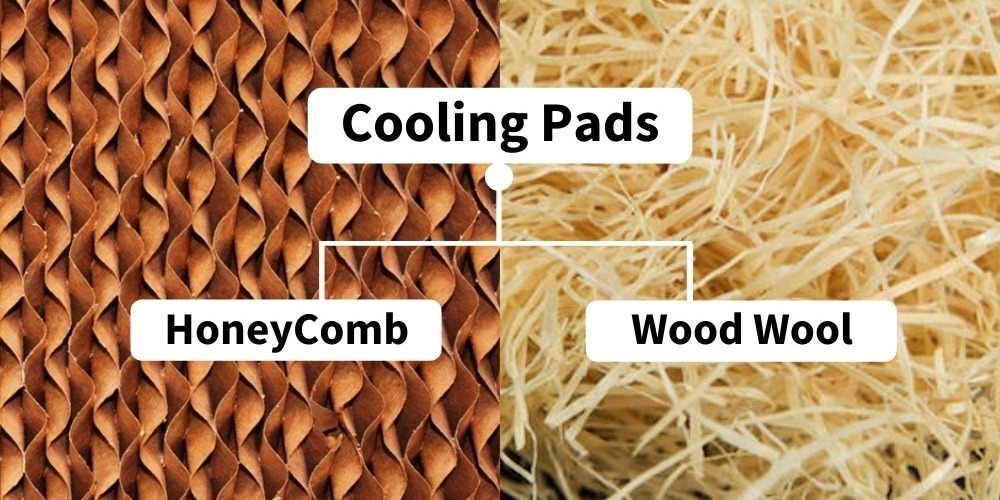
When it comes to sustainable and protective packaging, wood wool and honeycomb materials are two popular choices, each offering unique benefits.
Wood wool, also known as excelsior, is made from thin strands of wood that are shredded and curled. It’s 100% natural, biodegradable, and often used for cushioning fragile items. Its rustic appearance also makes it ideal for gift packaging and decorative displays. Wood wool is breathable, moisture-absorbent, and a great eco-friendly alternative to synthetic fillers.
Honeycomb packaging, on the other hand, is a paper-based material designed with a hexagonal cell structure, similar to a beehive. This structure provides superior strength and shock absorption, making it ideal for heavy or breakable items. Honeycomb is lightweight, recyclable, and an excellent option for flat or large-scale packaging applications.
In summary, wood wool excels in aesthetic and cushioning uses, especially for smaller, delicate items. Honeycomb is more suited for structural support and heavy-duty protection. Choosing between the two depends on your packaging needs — whether you prioritize visual appeal and natural texture or maximum strength and load-bearing capacity. Both are sustainable choices that reduce reliance on plastic packaging.